February 25, 2026
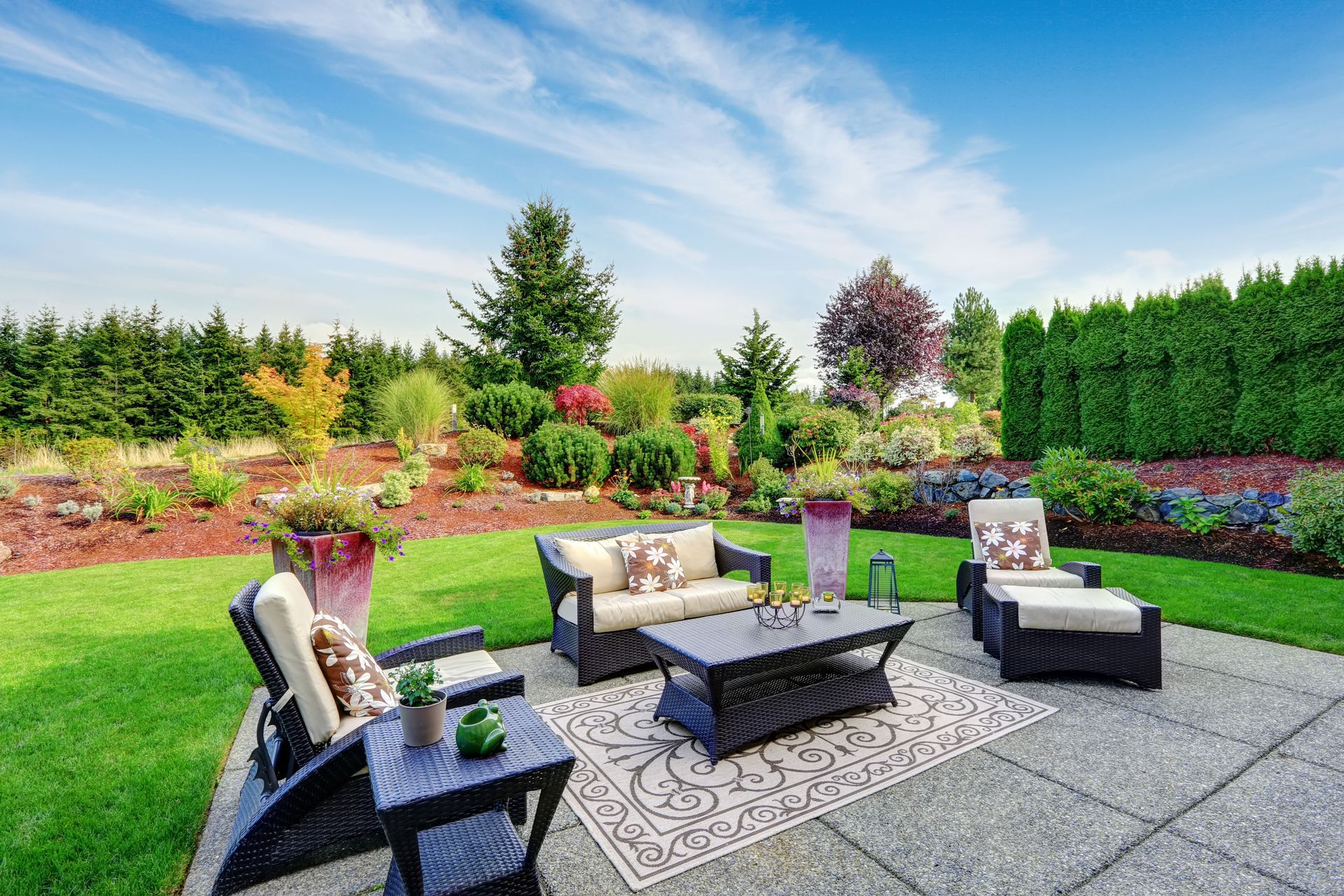
Understanding the importance of landscape design is crucial in creating functional and aesthetic outdoor living spaces. Careful planning and innovative design can transform dull outdoor areas into vibrant extensions of your home. As outdoor living becomes a staple of modern households, the role of landscape design cannot be understated. A well-designed landscape not only enhances visual appeal but also boosts the functionality of your outdoor space, providing areas for relaxation, social gatherings, and recreational activities. In this article, we will delve into various aspects of smart landscape design and explore how landscape designers play a pivotal role in crafting ideal outdoor environments that are both beautiful and sustainable.
Analyzing the Space and Environment
An initial step in effective landscape design is analyzing the space and environment. This includes assessing the current state of the landscape and identifying its potential for improvement. Understanding the natural layout and geographical features is essential for a successful landscape project. It's about harmonizing the built environment with natural elements to create an aesthetically pleasing and practical outdoor area. From assessing soil conditions to considering sun patterns, these factors collectively shape the foundational blueprint for any landscape design project. Landscape designers often conduct detailed site surveys to map out elevations, drainage patterns, and microclimates, ensuring each design decision complements the environment.
Understanding climate and soil conditions is integral for landscape success. Climate dictates the types of plants that can thrive, while soil conditions affect plant health. Not only are these factors crucial for plant growth, but they also influence maintenance and sustainability efforts. Knowing these aspects upfront can prevent costly revisions and ensure a long-lasting, robust landscape design. Additionally, certain regional climate features, like drought or rainfall, must be incorporated into the planning process. Understanding seasonal variations, frost lines, and wind patterns further ensures that plant selection and layout will remain viable year-round.
Identifying key features and challenges is also part of the initial analysis. Every outdoor space has unique elements, whether advantageous or problematic, that should be considered. This might include natural features like streams, slopes, or rock outcrops, alongside potential man-made obstacles such as utility lines, fences, or existing structures. Both features and challenges require a strategic approach to either highlight or mitigate their impact. Proactively addressing these elements allows landscape designers to anticipate issues and leverage assets, ensuring a cohesive outdoor space that balances beauty with practicality.
Designing for Functionality
Functionality is paramount when designing an outdoor space. To achieve this, it’s crucial to define the purpose of your landscape clearly. Whether for relaxation, recreation, gardening, or hosting gatherings, each intended use dictates specific design elements. Recognizing these needs at the outset allows landscape designers to be sure the final design aligns with lifestyle expectations. Designing for functionality also involves planning zones where different activities can co-exist harmoniously.
Creating zones for various activities enhances the usability of the space. According to the National Association of Landscape Professionals, 57% of Americans use their yards for recreation at least monthly. Segmenting spaces for dining, play, and relaxation can maximize enjoyment and efficiency. Transitioning from a lively gathering area to a tranquil reading nook offers unique experiences within the same property. Thoughtful placement of seating, shade structures, and garden features ensures each zone is inviting and functional. Planning such zones also accounts for accessibility, ensuring pathways connect activity areas intuitively and safely. Moreover, it allows for diverse experiences that cater to multiple preferences within a single landscape.
Planning for accessibility and flow is essential for a functional landscape. Well-designed pathways and access points ensure seamless movement throughout the space. This enhances the user experience by creating an inviting, navigable environment that feels larger and more integrated. Proper flow also contributes to safety and convenience, accommodating all guests regardless of physical ability. Wider paths, gradual slopes, and clear sightlines make the landscape inclusive while promoting effortless navigation. By placing emphasis on accessibility, a landscape becomes more user-friendly and practical for everyday use, ensuring every visitor can enjoy the space comfortably.
Choosing the Right Plants and Materials
The selection of plants and materials significantly influences the aesthetic and ecological value of a landscape. Opting for native and sustainable plants promotes environmental balance and requires less maintenance. Native plants are typically adapted to the local climate and soil, making them resilient and easier to care for. They also help conserve water and provide natural habitats for pollinators and wildlife, enriching biodiversity. By prioritizing sustainability, one contributes positively to local ecosystems while also enjoying a visually appealing space that evolves naturally with the seasons. This approach supports both the owner's vision and long-term environmental stewardship.
Understanding growth patterns and maintenance needs is critical when selecting plant species. Each plant has specific requirements that can impact the landscape’s long-term success. Some plants demand regular pruning or irrigation, while others thrive with minimal intervention. By recognizing these needs, landscape designers can create a low-maintenance landscape that remains vibrant across seasons. This foresight in planning reduces upkeep costs and ensures enduring plant health, allowing homeowners to enjoy their gardens with minimal effort.
Hardscape features, like stone paths, patios, or wood decks, play a significant role in landscape design. These elements provide structure and contrast, enhancing the natural beauty of plant life. Hardscape features can define space usage, create boundaries, and offer necessary functionalities like seating, shelter, or outdoor kitchens. Opting for sustainable and durable materials balances aesthetics with environmentally responsible practices. When thoughtfully integrated, hardscapes complement greenery, establishing a cohesive and inviting outdoor retreat that supports both daily living and special occasions.
Integrating Technology for Smart Outdoor Living
Technology integration has transformed outdoor living, offering convenience and enhancing the landscape's functionality. Landscape lighting not only enhances aesthetics but also ensures safety and usability at night. Smart lighting solutions allow for remote control and automation, providing both convenience and energy efficiency. By illuminating pathways, features, and focal points, lighting creates ambiance and extends usable hours. Moreover, strategically placed lights can accentuate a property’s best attributes, contributing to evening charm and security. This strategic enhancement elevates the landscape from day to night seamlessly, allowing homeowners to enjoy their outdoor space regardless of time.
Smart entertainment systems have also found their place in outdoor living. Integrated music systems, televisions, and weatherproof setups transform backyards into versatile entertainment spaces. These technological advances cater to various lifestyle needs, from relaxing background music to lively party soundtracks. They also enable homeowners to host gatherings comfortably without sacrificing style or convenience. By merging technology with nature, homeowners can enjoy a multifunctional, modern outdoor environment where leisure, entertainment, and natural beauty coexist harmoniously.
Effective landscape design transforms outdoor areas into functional, beautiful extensions of your home, balancing aesthetics with practicality. By carefully analyzing the space, climate, soil, and key features, landscape designers can plan a cohesive layout that maximizes usability and flow for homeowners. Thoughtful zoning for activities like relaxation, dining, and play ensures the landscape serves multiple purposes while maintaining accessibility for all. Selecting native, sustainable plants and integrating durable hardscape features reduces maintenance and supports environmental health. Additionally, smart technology, including lighting and entertainment systems, enhances usability and comfort, extending enjoyment from day into night. Ultimately, a well-designed landscape combines style, sustainability, and functionality, creating an inviting, versatile outdoor space that provides long-term value and enjoyment for homeowners and their communities. Ready to start your landscape transformation? Contact Innovative Outdoors today to connect with our talented team of landscape designers ready to turn your outdoor dreams into reality.